
Discover The Latest Blogs
Stay updated with Our Informative Blog Posts
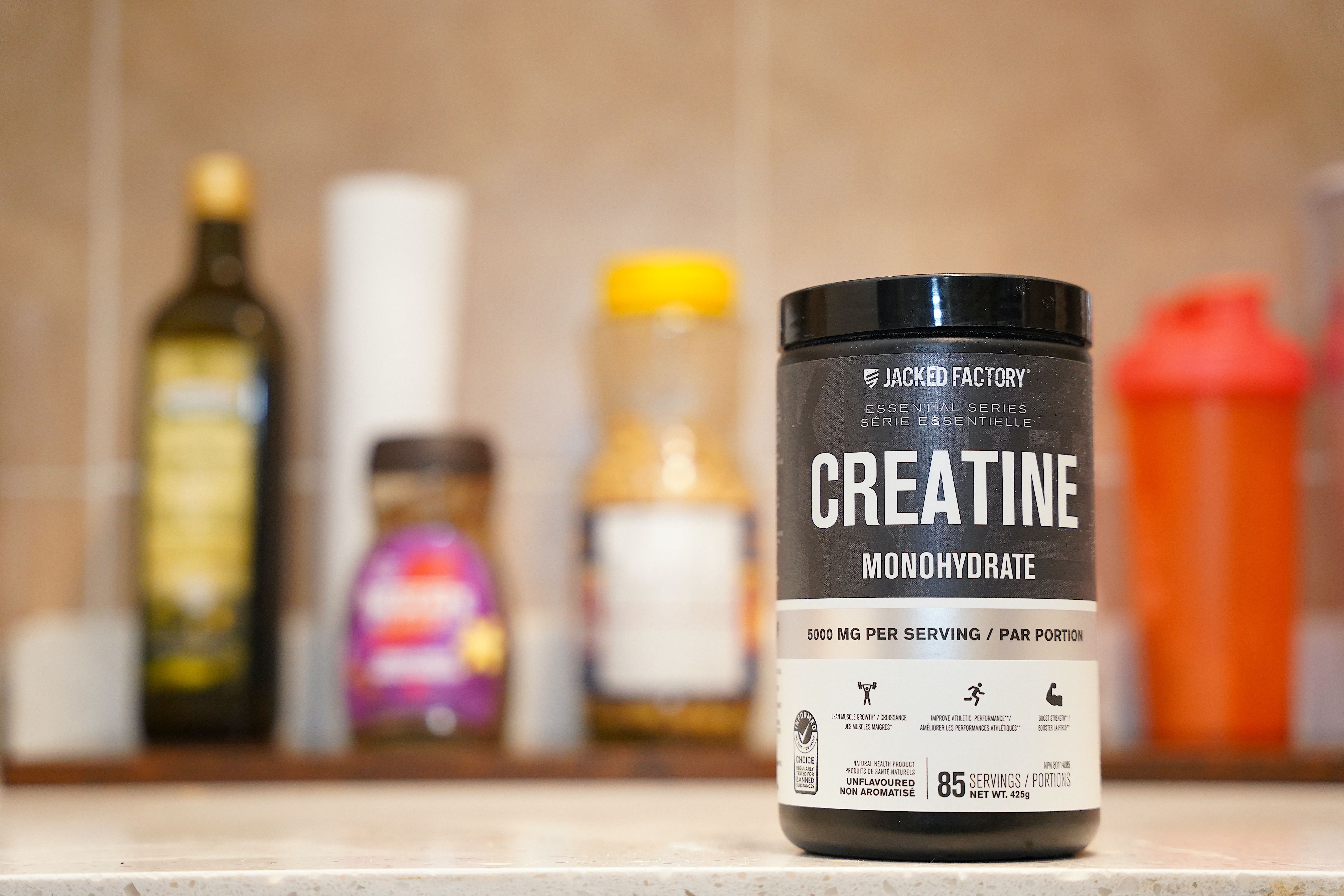
The bottle on your shelf is probably costing you triple - Guest Post by Dr. Mike T Nelson, PhD
The bottle on your shelf is probably costing you triple |
Go look at your creatine. If the label says HCl, buffered, Kre-Alkalyn, ethyl ester, or anything with a Greek letter in the name, you’ve been paying for marketing.
for a code for you. Transparency: I get a cut if you buy through my link. I’d still be sending this. Half my coaching conversations touch on creatine, and it's useful to have one document that answers all of it. Here is what Mike had to say about Creatine Forms For two decades, the supplement industry has been trying to convince you that creatine — a molecule we have studied harder than any other ergogenic aid in history — secretly has a more sophisticated cousin. One that absorbs better. Dissolves cleaner. Penetrates the muscle cell with greater finesse. That is not what the data says. Monohydrate absorbs through the human gut at roughly 99% efficiency. There is no meaningful headroom for a “more bioavailable” form to occupy, because the floor and the ceiling are touching. You cannot improve on 99% by enough to matter, and nobody has. The HCl pitch leans almost entirely on solubility. HCl does dissolve more readily in a glass of water. That part is true. It’s also irrelevant. Solubility in your shaker and absorption in your gut are two different variables. Food colouring dissolves beautifully, and you wouldn’t pay a premium for that either. Now the head-to-head, because we finally have one. In 2025, Londoño-Velásquez and colleagues ran a randomized clinical trial in elite handball and softball athletes. Monohydrate versus HCl. Same training, different molecule. Both groups improved body composition. On most neuromuscular and strength outcomes, the two were comparable. The one measure that separated them — fat-free mass index — went to Monohydrate.
Dr. Darren Candow, who has spent his career on this, puts it less politely than I would: “Every day I lump [novel creatine forms] into quackery. This idea that you can get higher bioavailability, more stability in solution, more solubility, and God forbid it got into the cell quicker — I tell everybody: just stick to monohydrate.” Two more things worth knowing while you’re standing in front of your supplement shelf. Micronized monohydrate is fine. It’s the same molecule with a smaller particle size, so it mixes better in cold water. No efficacy advantage, but no downside either. Just don’t pay a real premium for it. Liquid creatine, on the other hand, I’d walk away from. Pre-dissolved creatine spontaneously converts to creatinine over time, and faster in warm temperatures or low pH. Creatinine is the waste product. You’re paying extra for a bottle that degrades on the shelf. What to do about it: replace whatever’s in the cupboard with third-party tested creatine monohydrate — NSF Certified for Sport, Informed-Sport, or USP Verified. That certification matters more than the form does, because the supplement market is enormous and poorly policed, and heavy metal contamination and label inaccuracy are documented problems. You’ll spend somewhere around ten cents a day instead of thirty-plus. Over a year that’s a decent pair of training shoes. The molecule is the molecule. Everything else is brand work. Dr. Mike T. Nelson, PhD
$37. Code PAUL takes $10 off, so $27. 30-day refund, no questions asked. https://creatine.miketnelson.com
|
Paul Oneid MS, MS, CSCS |


Coaches Corner PhD
Get 1-on-1 mentorship with one of the best coaches in the industry!