
Discover The Latest Blogs
Stay updated with Our Informative Blog Posts
Your Platform Is Choosing Your Clients
Your Platform Is Choosing Your Clients
The same complaint rings in my ears constantly… And it’s always from coaches who are doing everything they were told to do.
They're posting consistently.
Reach is climbing.
Engagement is fine.
But something is clearly missing because the leads are garbage.
Since the content isn’t “working,” they assume it's a content problem. So, they start rewriting hooks, changing formats, studying what worked for someone else.
Nine times out of ten, it isn't a content problem at all. It's a platform problem.
Marshall McLuhan said it sixty years ago, and nobody in this industry seems to have caught up. “The medium is the message.” The container matters more than what you put in it. Where you say something shapes who hears it, what they believe about you, and what they're prepared to do next. People show up in different mindsets on different platforms.
Every platform charges a different price for attention, and the price determines who shows up and how.
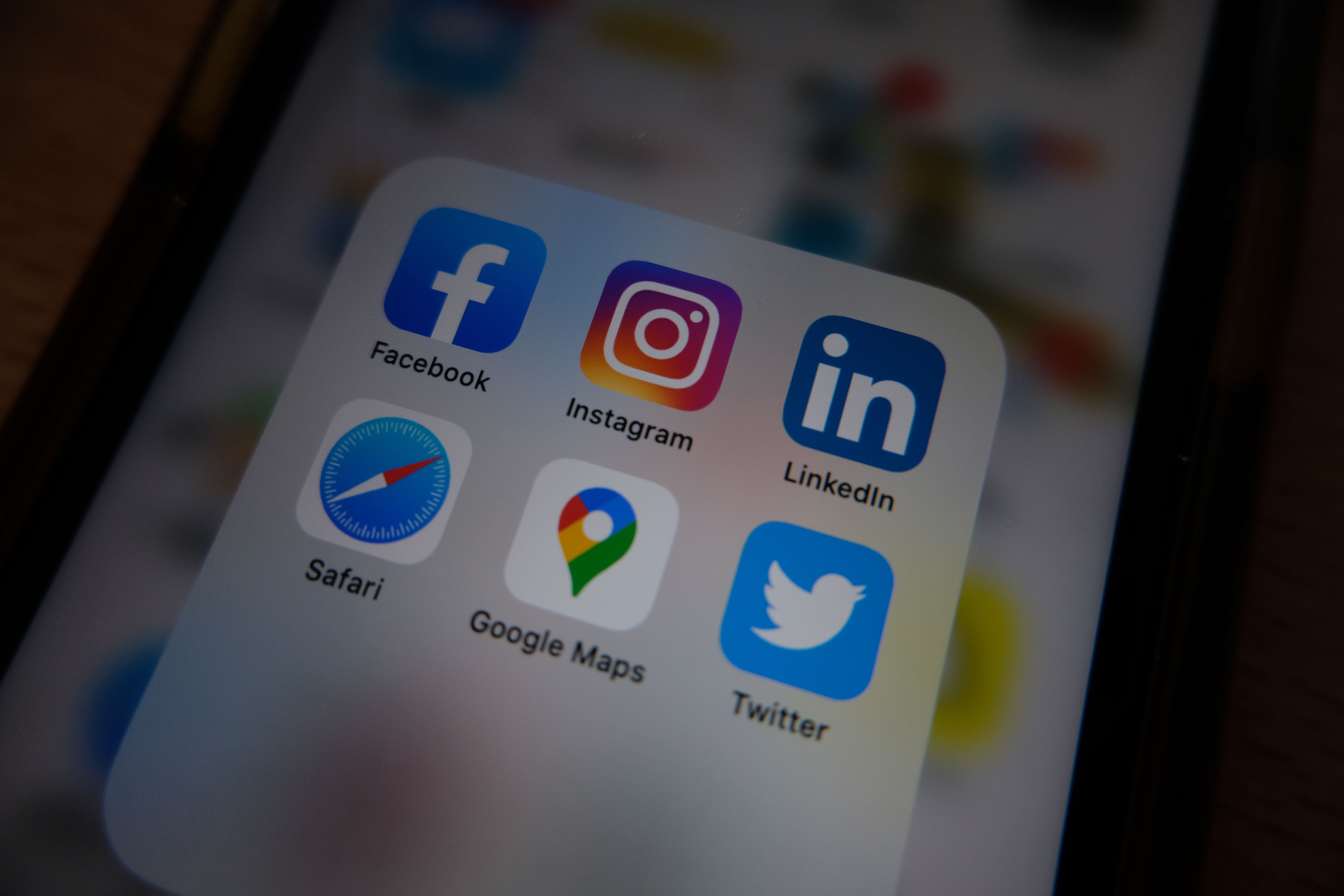
A reel costs someone thirty seconds and one thumb movement. That's it. No decision, no commitment, no cost. Which is exactly why Instagram will give you the biggest numbers and the least qualified audience you will ever have. You are collecting people who spent nothing to find you.
A twenty-to forty-minute YouTube video costs something real. So does a podcast episode someone listens to on their drive to work. Nobody gives you an hour by accident. By the time that person lands in your inbox, they've already spent more time with you than most of your Instagram followers will in a year. They know how you think. They've decided they like you. The sales conversation is half over before it starts.
This showed up on a group call recently in a way I thought was worth writing down. One coach had been posting daily on Instagram and watching his numbers climb. Another had noticed his content getting saved constantly, which is the signal that actually matters, because a save means someone intends to come back. Both were doing good work. Both were stuck in the same layer, where attention is cheap, and everyone is browsing.
Facebook is the one people forget. Longer captions perform there. The audience skews older, which usually means they have money and less interest in being entertained. The DM activity on that platform right now is real, and almost nobody in our industry is paying attention to it. LinkedIn is similar for a different reason. If you want to reach executives, business owners, and people who are used to paying professionals for things, that's where they are, and you're competing against almost no other coaches for their attention.
So the question changes.
The question should be, “What are the people on this platform here for?” And, “Is the kind of person I want to be working with on this platform?” Obviously, you need to be where most people are, but that doesn’t mean you cannot diversify your platform investments.
That reframe fixes most of it.
Short form is for reach and introduction. It is how a stranger becomes aware you exist.
Long form is where trust gets built and where buying decisions actually happen.
Neither one replaces the other, and the sequence matters.
Most coaches live entirely in the cheap attention layer, build an audience of people who have invested nothing in them, and then wonder why nobody's ready to have a real conversation.
The uncomfortable part is that long form is harder. It's slower, the numbers look worse, and you can't hide behind a trending audio or a good edit. You have to actually have something to say for more than 30seconds.
That friction is what filters your audience, and it filters you. If you can't hold a thought for forty minutes on your own subject, that's worth knowing before you spend another year optimizing captions.
One of the guys on that call figured out he had a two-hour commute he was doing nothing with. That commute is now going to be long-form content, recorded from the driver's seat, aimed at the exact person who has time to listen and money to spend. He didn't need a studio or a new strategy. He needed to look at where his qualified audience actually was and go meet them there. Is this the best way to do things? No, but it’s better than not doing anything and continuing to flounder.
Look at where your last five real clients came from. Not your follower count, not your best-performing post. Your actual clients, the ones who paid you.
What did they have to give up to find you?
Keep Raising the Bar,
Paul Oneid MS, MS, CSCS


Coaches Corner PhD
Get 1-on-1 mentorship with one of the best coaches in the industry!