Discover The Latest Blogs
Stay updated with Our Informative Blog Posts
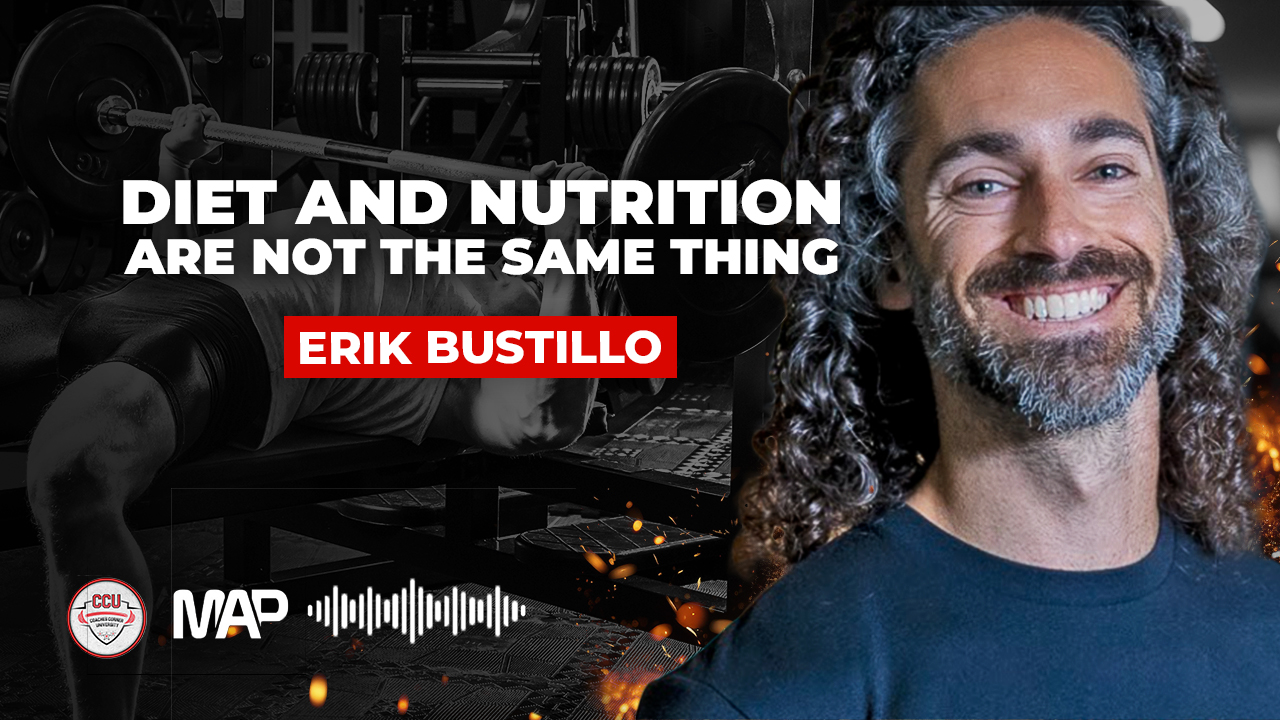
CCU Podcast - Diet and Nutrition Are NOT the Same Thing with Erik Bustillo
Diet and Nutrition Are NOT the Same Thing
Podcast
This week, I sat down with Erik Bustillo, MS, RD, FISSN. He is the CEO of Erik Bustillo Consulting. He has been in healthcare/fitness for well over a decade. He is a Registered Dietitian, Fellow (and Certified Sports Nutritionist) of the International Society of Sports Nutrition, a Certified Sports Nutritionist, a Certified Strength Coach, a Certified CrossFit Level 2 Coach, and a Certified Personal Trainer. He earned his Bachelor's in Dietetics & Nutrition and his Master's in Applied Exercise Science and Sports Nutrition.
He specializes in reading blood/lab values that have a direct effect on health and performance. Several fields of expertise are energy improvement, performance recovery, weight loss, working with professional/elite athletes, and stress management. Erik has experience in medical nutrition therapy and lifestyle/health coaching.
He is a published author in several scientific journals. He is a world-renowned speaker and works closely with military groups, including armed forces groups of the United States of America, such as the Navy and the Army. One of his passions is educating, and he does this on many levels, from lecturing for sports teams, to guest lecturing at universities, presenting to tactical athlete groups, corporate wellness and helping other dietitians and coaches grow in their careers.
I used to think I had nutrition pretty well figured out. Then I sat down with Erik who brings over 15 years of experience in dietetics, performance nutrition, and healthcare, along with a refreshing dose of honesty about what actually works when you're trying to help real humans make sustainable changes.
10 Key Takeaways from Diet and Nutrition Are NOT the Same Thing
High Performance Isn't Healthy, But Health Enables Performance
You can't have high performance without foundational health. Erik made it clear that while performance nutrition is specific to the outcome you're chasing, health is always going to be a piece of that equation. The nature of many high-level sports isn't sustainable long-term—look at the average NFL career lasting less than two to five years. The key is understanding that nutrition for performance and nutrition for physique aren't the same thing, but they overlap significantly. When someone is constantly getting sick because they're not eating enough calories, their immune system suffers and performance tanks. Health creates the foundation; performance nutrition builds on top of it.
Most People Don't Have Eating Disorders, But Many Have Disordered Eating Patterns
Erik emphasized that while clinical eating disorders affect a smaller percentage of the population, disordered eating patterns are everywhere. This stems from decades of diet industry messaging that's created fear around carbohydrates and fats. People come to us having been on restrictive regimens since they were eight years old, and by the time they're 56, they're completely confused about what they should be eating. We're not just coaching nutrition—we're reprogramming years of misinformation and fear-mongering. Understanding this psychological baggage is crucial before we ever talk about macros or meal timing.
Trust Is Built Through Empathy and Motivational Interviewing
Before Erik can help anyone change their nutrition, he has to build trust by coming from a place of empathy. This means understanding where someone is coming from and why they want to go on a keto diet or cut out entire food groups. The education component is huge, but it only works when you first validate someone's experience. If you come in guns blazing telling people their beliefs about food are bullshit, they'll shut down immediately. Instead, Erik asks questions that come from genuine curiosity and care—questions that help people arrive at their own conclusions rather than being told what to do.
Give Clients Autonomy Over Their Nutrition Decisions
One of the most powerful strategies Erik uses is asking clients directly: "What do you think is the easiest thing you can do right now?" This gives them ownership over their journey. The most effective coaching relationships aren't built on authority and compliance—they're built on partnership and agency. When clients feel like they have control over their decisions, they're far more likely to stick with the plan. Erik mentioned that people want to know how much you care before they care how much you know, and giving someone autonomy is one of the clearest ways to demonstrate that care.
Focus on Addition Rather Than Restriction
Instead of telling clients what they can't eat, Erik focuses on what they can add to their nutrition that will naturally crowd out less optimal choices. For example, having clients track only their whole food protein intake without counting total calories often leads to them feeling fuller while their body weight starts dropping. This approach opens the door for education about protein's high satiety and thermic effect without creating the psychological stress of restriction. The lowest barrier of entry combined with an abundance mindset creates wins that build momentum.
Habit Change Takes Years, Not Days or Weeks
Erik was emphatic about this: the idea that it takes 21 days to change a habit is bullshit. Real, sustainable habit change takes at least a year, and even then, someone can maintain a habit for three years and revert back to old patterns in a single day when life throws them a curveball. It takes one day to get started, but mastery takes time. This is why we need to set realistic expectations with clients about timelines. Change happens slowly through consistent, small adjustments—not through 12-week transformations or 75-day challenges that promise overnight success.
Metabolic Flexibility Is a Tool, Not a Requirement
Erik discussed how metabolic flexibility—the body's ability to use carbohydrates when optimal and fats when optimal—can benefit most people. However, not everyone is ready for strategies like fasted training or 24-hour fasts. It depends on where someone is in their journey and what their training demands look like. For coaches working with general population clients, even simple approaches like tracking protein and total calories while letting carbs and fats fluctuate naturally can create metabolic flexibility without requiring complex nutrient timing protocols. The key is meeting people where they are.
Success Looks Different for Every Client
Erik shared stories of working with everyone from a powerlifter making weight for competition to someone dealing with IBS and high stress levels. The approach had to be completely different based on what mattered most to each person in their current season of life. Sometimes the priority isn't weight loss—it's managing stress, improving cognitive function at work, or addressing gut health issues before anything else. Identifying the most pressing priority that will lead to checking off the next box is crucial. Not every client needs a detailed macro split and meal timing protocol; some just need to start walking three times per week.
There Is No Perfect Plan—Only What You Can Stick To
People come looking for "best" when they should be looking for "better." They think they need to be fully keto or cut calories down to 1400 per day, when what they actually need is to make one small change and stick to it. Erik reinforced that we should be helping people understand what realistic progress looks like. Overnight success takes years. Good things take time. And the magic happens in what we're able to do consistently, not in following the perfect protocol for a few weeks before burning out.
Coaches Must Be Fountains, Not Drains
Erik shared a quote that resonated deeply with me: "Be a fountain, not a drain." Coaching people through nutrition change takes mental energy and effort. You have to genuinely care and ask the right questions. But if you can fill other people's cups while keeping your own relatively full, you're in a beautiful place. This work requires us to show up with empathy, curiosity, and a genuine desire to help people get better. Once you build that trust and people see that you care about them as humans, they'll run through a brick wall for you.
This conversation with Erik reminded me why I love this work so much. Nutrition coaching isn't just about meal plans and macros—it's about understanding human behaviour, building trust, and helping people develop tools they can use for the rest of their lives. Erik's approach of leading with empathy, giving clients autonomy, and focusing on realistic, sustainable changes rather than perfect protocols is exactly what this industry needs more of.
Find Erik
LinkedIn:https://www.linkedin.com/in/erikbustillo
Instagram:@erikbustillo
X: @erikbustillo
Find the Podcast
Coaches Corner PhD
Get 1-on-1 mentorship with one of the best coaches in the industry!