Discover The Latest Blogs
Stay updated with Our Informative Blog Posts

Stop Coaching Like It's 2019
Stop Coaching Like It's 2019
The model that built most online coaching businesses is on its way out.
Check in once a week. Send a program. Adjust macros. Collect payment. Repeat.
That worked for a while. The bar was low, the competition was thin, and clients didn't yet know what good looked like. They just knew they needed help, and you were there.
That window is closing fast.
I said it plainly in a recent group call: any coach still operating that way will struggle to make money within the next two years. Not because they're necessarily bad coaches. But because the thing they're charging for, a program and a weekly check-in, can now be approximated by technology at a fraction of the cost. And clients are starting to figure that out.
The coaches who will be fine are the ones who've already made the shift. The ones who understood early that the program was never the product. The relationship was.
I've been saying this for years, but I feel it more urgently now than I ever have. We're in an industry that's proliferated with people who got into coaching because they love training, got decent results themselves, figured it was an easy way to make money, and built a service around delivering what they'd want to receive. A good program. Solid macros. A check-in form.
That's not coaching. That's service delivery. And service delivery is commoditized.
Real coaching is something completely different. It's knowing your client well enough to understand when their check-in is off because their marriage is struggling, not because their training is wrong. It's having a conversation that reframes how someone sees themselves and what they're capable of. It's building a relationship over years, not managing a subscription over months.
The coaches who do that don't have a retention problem. They don't have a referral problem. They don't have to run promotions or discount their rates or stress about filling their roster every January.
Because their clients don't leave.
I had a client ask me recently to change the way I coach him. He's been with me for three years. He wanted to take more ownership over his programming, wanted to suggest changes and have me explain my thinking on them. So that's what we do now. His check-ins take me half as long as everyone else's, and the relationship is stronger for it.
That's what a coaching relationship looks like when you've actually built one. It evolves. It deepens. It becomes something neither party wants to walk away from.
The 2019 model doesn't get you there.
It used to be that coaches were selling to people who had very little frame of reference for what good coaching looked like. Now, those same people have been coached by 3 or 4 different coaches. They've been in group programs. They've seen the inside of a bad client experience, and they know exactly what they don't want.
They're coming in more informed, more skeptical, and with higher expectations than ever.
The coaches who will win in that environment are the ones who've invested in their process, their relationships, and their client experience. The ones who've thought seriously about what a client feels from the moment they purchase, through the first 30 days, the first 100 days, the first year.
The ones who've built something that neither a program nor a check-in form could replicate.
There's a version of coaching that's genuinely irreplaceable. It just requires actually showing up as a coach instead of a program delivery system. It requires caring about the person on the other side of the screen in a way that goes beyond their macros and their training age.
The coaches I believe will win have one thing in common. They've made the service so good that their clients forget they're paying for it. It stopped being a transaction a long time ago.
That's the business worth building. The question is whether you're building it now or waiting until the market forces your hand.
Keep Raising the Bar,
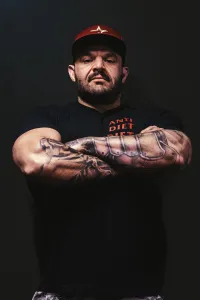
Paul Oneid MS, MS, CSCS
Coaches Corner PhD
Get 1-on-1 mentorship with one of the best coaches in the industry!